
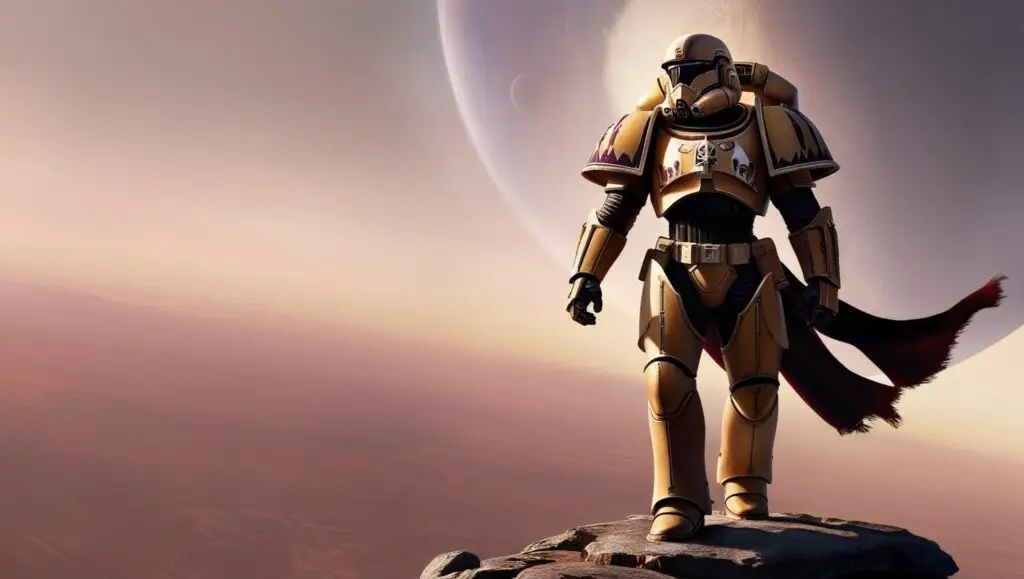

Introduction: Navigating the Vast Universe of 40k Books
The world of 40k books represents one of the most expansive collections of science fiction literature ever created. For those new to this universe, knowing where to begin with 40k books can feel overwhelming. This comprehensive guide will help you navigate the massive library of Warhammer 40,000 novels and find the perfect starting point for your journey into the 41st millennium.
Why You Should Start Reading 40k Books
Understanding the appeal of these novels is the first step. 40k books offer a unique blend of military science fiction, cosmic horror, and dark fantasy that you won’t find anywhere else. The best 40k books combine massive-scale warfare with deeply personal stories of heroism, sacrifice, and sometimes, damnation, creating a reading experience that is both epic and intimately human.
Where to Begin Your Journey With 40k Books
For newcomers, the question of which 40k books to read first is crucial. Your entry point depends on your personal preferences, whether you enjoy military campaigns, detective stories, or epic historical fiction.
The Eisenhorn Trilogy: The Perfect Starter 40k Books
Many consider this the perfect introduction to 40k books. Dan Abnett’s series follows Imperial Inquisitor Gregor Eisenhorn as he battles heresy and corruption across the galaxy. These 40k books work particularly well as an introduction because they naturally explain the universe’s complex lore through the perspective of an investigator learning about each new threat he encounters.
The Horus Heresy: Foundational 40k Books
For those interested in the foundational history of the 40k universe, these 40k books provide essential background. Beginning with “Horus Rising,” this series explains how the Imperium of Man fell from a noble ideal into the oppressive theocracy it becomes in the main timeline.
Gaunt’s Ghosts: Human-Centric 40k Books
Another excellent choice among introductory 40k books, this series follows the Tanith First-and-Only regiment through countless war zones. These 40k books excel at showing the human perspective of the 40k universe, focusing on ordinary soldiers rather than superhuman Space Marines.
Exploring the Different Genres Within 40k Books
One of the strengths of 40k books is their diversity of storytelling approaches within the established universe. Here’s how to find 40k books that match your favorite genre.
Military Science Fiction 40k Books
Many of the most popular 40k books fall into this category, focusing on large-scale battles and military campaigns. The aforementioned Gaunt’s Ghosts series exemplifies this approach, as does the Ultramarines series and various Space Marine Battles novels.
Political Thrillers and Inquisitor 40k Books
A significant portion of 40k books explores the complex politics and internal conflicts of the Imperium. The Vaults of Terra series by Chris Wraight presents excellent examples of this subgenre within 40k books, showing the bureaucratic nightmare and conspiracies at the heart of the Imperial government.
Cosmic Horror 40k Books
Many 40k books incorporate elements of cosmic horror, particularly those dealing with Chaos and the warp. The Night Lords trilogy by Aaron Dembski-Bowden stands as a masterpiece of this approach within 40k books, showing the terrifying reality of life within the Eye of Terror.
Notable Authors Defining Modern 40k Books
The quality of 40k books owes much to the talented authors who have contributed to the universe. Knowing the key authors helps you find 40k books you’ll enjoy.
Dan Abnett: The Architect of Modern 40k Books
Often called the architect of modern 40k books, Abnett’s work includes the Eisenhorn, Ravenor, and Gaunt’s Ghosts series, as well as pivotal contributions to the Horus Heresy. His 40k books are particularly noted for their character development and accessible prose.
Aaron Dembski-Bowden: Master of Character in 40k Books
Known for his psychologically complex characters and beautiful prose, Dembski-Bowden’s contributions to 40k books include the Night Lords trilogy, the Black Legion series, and several key Horus Heresy novels.
Chris Wraight: World-Builder of 40k Books
Wraight’s 40k books excel at world-building and political intrigue. His Vaults of Terra and Watchers of the Throne series provide fascinating insights into the inner workings of the Imperial government.
The Evolution and Future of 40k Books
The quality and scope of 40k books have evolved significantly since the early publications. Modern 40k books feature more sophisticated storytelling, deeper character development, and more ambitious thematic exploration while maintaining the core elements that make the universe unique. The future of 40k books looks bright, with new authors and stories continually expanding the boundaries of the lore.
Conclusion: Your Next Steps in Exploring 40k Books
The world of 40k books is vast, but hopefully, this guide has provided a clear map for your journey. Whether you start with the detective work of an Inquisitor, the frontline reports of Imperial Guardsmen, or the epic tragedy of the Horus Heresy, you’re stepping into a rich and rewarding literary universe. The best way to experience 40k books is to pick one that sounds interesting and begin reading there’s no wrong place to start in the 41st millennium.
The Xenos threat encompasses the numerous alien species that humanity encounters. From the ancient, skeletal Necrons to the psychic Aeldari, from the expansionist T’au Empire to the devouring Tyranid hive fleets, these factions provide diverse antagonists and perspectives throughout Warhammer 40,000 novels. Recent years have seen increased attention to Xenos books that explore these cultures from their own viewpoints rather than solely as enemies of humanity.
The Inquisition serves as the Imperium’s secret police and witch hunters, tasked with rooting out heresy, mutation, and alien influence wherever it may appear. Inquisition books like the Eisenhorn and Ravenor series provide thriller-like narratives within the larger Warhammer 40k setting, focusing on investigation, conspiracy, and moral ambiguity.
Understanding these core elements will provide essential context as you explore the various series and stand-alone novels within the Black Library catalog. Each author brings their own interpretation to these concepts, but they all operate within the established framework of Warhammer 40k lore.
Where to Begin: Entry Points for New Readers
One of the most common questions among prospective readers is where to start with 40k books. With hundreds of novels available, choosing an entry point can seem overwhelming. The answer depends largely on your interests and what aspects of the universe appeal to you most. Here are several recommended starting points based on different preferences:
For those interested in the foundational history of the universe, the Horus Heresy series provides the essential backstory for the current state of the Imperium. Begin with Horus Rising by Dan Abnett, which introduces the series’ primary characters and sets the stage for the galactic civil war to come. While the full series is extensive, the first three novels (Horus Rising, False Gods, and Galaxy in Flames) form a complete narrative arc that provides satisfying closure while inviting further exploration.
Readers who prefer character-driven narratives with detective elements should consider the Eisenhorn trilogy by Dan Abnett. Following Imperial Inquisitor Gregor Eisenhorn as he battles heresy and corruption, these novels serve as excellent introductions to the universe because they explain concepts naturally through the protagonist’s investigations. The series begins with Xenos and continues through Malleus and Hereticus, with subsequent novels and short stories expanding the story.
If military science fiction appeals to you, the Gaunt’s Ghosts series, also by Dan Abnett, offers some of the best Warhammer fiction available. Following the Tanith First-and-Only regiment through countless campaigns, these novels combine gritty battlefield action with deeply developed characters and regimental camaraderie. Start with First and Only and continue through the series in publication order.
For a lighter, more humorous take on the universe, the Ciaphas Cain series by Sandy Mitchell provides a welcome contrast to the typically grim tone of 40k books. Following the adventures of a Imperial Commissar who would rather be anywhere but the front lines, these novels offer comedy, adventure, and surprisingly insightful commentary on the universe through the eyes of a reluctant hero.
Those interested in the alien perspectives might start with The Infinite and the Divine by Robert Rath, which explores the ancient rivalry between two Necrons over millions of years. This stand-alone novel requires minimal prior knowledge and provides an entertaining introduction to one of the universe’s most fascinating alien species.
If you prefer audio experiences, Warhammer 40k audiobooks like Helsreach by Aaron Dembski-Bowden offer excellent production values and performances that bring the stories to life. Many of the most popular novels are available in audio format, often with voice acting and sound effects that enhance the immersion.
Remember that there’s no single “correct” starting point—the best approach is to choose something that aligns with your interests and dive in. The connections and references will become clearer as you read more, and part of the pleasure of exploring Warhammer 40k books is gradually piecing together the larger picture of this incredibly detailed universe.
The Horus Heresy Series: Foundation of the Modern Imperium
No discussion of Warhammer 40k books would be complete without detailed examination of the Horus Heresy series, the monumental project that has dominated Black Library’s output for over fifteen years. This series represents the most ambitious undertaking in Warhammer fiction, detailing the events that created the dystopian reality of the 41st millennium.
The Horus Heresy begins with the Great Crusade, a galaxy-spanning campaign to reunite humanity under the rule of the Emperor of Mankind. The Emperor’s twenty Primarchs—genetically engineered superhumans—lead their Space Marine Legions in this grand endeavor, achieving incredible victories and bringing thousands of worlds into compliance. However, the seeds of betrayal are sown when Horus, greatest of the Primarchs, is corrupted by Chaos and turns against his father.
The series proper begins with Horus Rising, which establishes the noble character of Horus Lupercal and the Luna Wolves Legion before his corruption. Dan Abnett’s novel introduces key themes that will resonate throughout the series: the tension between Imperial truth and Imperial creed, the nature of loyalty, and the gradual erosion of ideals in the face of practical necessity.
False Gods by Graham McNeill continues the story, showing Horus’s corruption during a campaign on the planet Davin. This novel demonstrates how even the greatest of men can fall to Chaos, and establishes the tragic tone that defines much of the series. The third volume, Galaxy in Flames by Ben Counter, depicts the opening acts of the civil war as Horus’s treachery becomes apparent.
As the series expanded beyond its initial trilogy, it began to explore different perspectives and theaters of the growing conflict. Novels like Fulgrim by Graham McNeill showed the corruption of another Primarch and his Legion, while Legion by Dan Abnett introduced the mysterious Alpha Legion and their unique perspective on the war. A Thousand Sons by Graham McNeill and Prospero Burns by Dan Abnett provided contrasting accounts of the destruction of the Thousand Sons Legion and their homeworld, demonstrating how the series could explore the same events from different viewpoints.
The middle portion of the Horus Heresy series expanded to include dozens of novels exploring various aspects of the conflict. The First Heretic by Aaron Dembski-Bowden examined the origins of the Word Bearers’ fall to Chaos, while Know No Fear by Dan Abnett depicted the brutal attack on the Ultramarines at Calth. Betrayer by Aaron Dembski-Bowden continued the story of the World Eaters and Word Bearers Legions, showing the human cost of the war even among the superhuman Space Marines.
As the series approached its conclusion, the focus shifted to the Siege of Terra series, which depicts the final assault on the Imperial Palace. Beginning with The Solar War by John French, this sub-series brings the conflict to its inevitable conclusion on humanity’s homeworld. Subsequent volumes like The Lost and the Damned, The First Wall, and Saturnine raised the stakes ever higher, culminating in The End and the Death by Dan Abnett, which brings the series to its apocalyptic conclusion.
The Horus Heresy series fundamentally shaped modern Warhammer 40k lore, providing depth and tragedy to what had previously been mythological backstory. By showing the Imperium’s fall from noble ideal to oppressive theocracy, the series adds layers of meaning to the 41st millennium setting. For readers interested in understanding how the universe reached its current state, the Horus Heresy is essential reading, though its immense size means that selective reading based on recommended novels or Legion preferences is a valid approach.
The Imperial Guard: Humanity’s Finest
While Space Marines often dominate discussions of Warhammer 40k books, some of the most compelling stories focus on the ordinary humans who fight and die in humanity’s endless wars. Imperial Guard novels showcase the courage, sacrifice, and sometimes madness of the countless soldiers who defend the Imperium with little more than lasguns and faith.
The most famous of these Imperial Guard novels is undoubtedly Dan Abnett’s Gaunt’s Ghosts series. Following the Tanith First-and-Only regiment from their homeworld’s destruction through countless campaigns, these novels combine military action with deep character development. Colonel-Commissar Ibram Gaunt leads his regiment through impossible odds, with each novel exploring different aspects of warfare in the 41st millennium.
The series begins with First and Only, which introduces the Ghosts and establishes their unique characteristics as stealth specialists and scouts. Subsequent novels like Ghostmaker and Necropolis expand the scope of the series, showing the regiment’s development and the increasingly desperate battles they fight. Later entries like Sabbat Martyr and The Armour of Contempt demonstrate how the series evolved over time, with characters aging, changing, and facing the psychological toll of endless warfare.
What sets Gaunt’s Ghosts apart from many other Warhammer 40k books is its focus on ordinary humans rather than superhuman Space Marines or powerful psykers. The Ghosts face threats that would terrify even seasoned veterans, relying on training, teamwork, and sometimes sheer luck to survive. Abnett’s background in comics journalism lends the series a gritty realism that makes the battles feel immediate and dangerous.
Another significant Imperial Guard series is Sandy Mitchell’s Ciaphas Cain novels, which take a very different approach to the military experience. Following the adventures of Commissar Ciaphas Cain—who presents himself as a reluctant hero despite evidence of genuine bravery—these novels combine action with humor and a more lighthearted tone than most Warhammer fiction.
The series begins with For the Emperor, which establishes Cain’s voice and his relationship with his Valhallan regiment. Subsequent novels like Caves of Ice and The Traitor’s Hand continue his misadventures, with each story framed as excerpts from Cain’s memoirs with commentary by his colleague and eventual editor, Amberley Vail. This narrative device allows for humorous asides and contrasting perspectives on events.
While lighter in tone, the Ciaphas Cain series still engages with serious aspects of Warhammer 40k lore, including the constant threat of Chaos corruption, the dangers of alien infiltration, and the bureaucratic absurdities of the Imperial administration. Cain’s self-deprecating narration often masks genuine insight into the nature of courage and leadership in the Imperium.
Beyond these two major series, numerous stand-alone Imperial Guard novels explore different regiments and combat environments. Fifteen Hours by Mitchell Scanlon offers a grim look at the short life expectancy of Imperial Guardsmen, while Dead Men Walking by Steve Lyons follows the Death Korps of Krieg in their relentless warfare against Necrons. Gunheads by Steve Parker depicts tank warfare on a massive scale, and Baneblade by Guy Haley focuses on the crew of a super-heavy tank.
These Imperial Guard novels collectively provide a crucial perspective on the Warhammer 40k universe—that of ordinary humans struggling to survive in a galaxy filled with unimaginable horrors. They ground the often-epic scale of Space Marine conflicts in human terms, showing the courage and sacrifice required simply to hold the line against the Imperium’s countless enemies.
The Inquisition: Secrets and Heresy
The shadowy world of the Imperial Inquisition provides some of the most compelling narratives in Warhammer 40k books. As the Imperium’s secret police and witch hunters, Inquisitors operate with near-unlimited authority to root out heresy, mutation, and alien influence. Inquisition books often blend elements of detective fiction, conspiracy thrillers, and horror, exploring the moral compromises necessary to protect humanity from threats within and without.
The most famous Inquisition books are Dan Abnett’s Eisenhorn and Ravenor series. These interconnected stories follow the careers of two Inquisitors with very different approaches to their work. Gregor Eisenhorn, the protagonist of the initial trilogy, begins as a relatively moderate Amalathian Inquisitor but gradually adopts more radical methods as he confronts increasingly dangerous threats.
The Eisenhorn trilogy begins with Xenos, which introduces the titular character and his team as they investigate a seemingly routine case that reveals larger conspiracies. Malleus sees Eisenhorn pursuing heretics who worship the Chaos god Tzeentch, while Hereticus brings his story to a devastating personal conclusion that forces him to confront how far he’s willing to go in the name of duty. The series stands as some of the finest Warhammer fiction ever written, perfectly balancing personal drama with cosmic stakes.
The sequel series, Ravenor, follows Eisenhorn’s former protégé Gideon Ravenor, who leads his own team of operatives after being horrifically injured and confined to a life-support chair. The Ravenor trilogy—comprising Ravenor, Ravenor Returned, and Ravenor Rogue—maintains the investigative thriller format while exploring different aspects of the Inquisition’s work. Where Eisenhorn’s stories often involve physical action and confrontation, Ravenor’s cases lean more toward psychic investigation and complex conspiracies.
Abnett’s latest addition to this narrative universe, the Bequin series, continues threads from both previous series while introducing new mysteries that stretch back to the earliest days of the Imperium. Pariah and Penitent follow the amnesiac Alpha-level psyker Beta Bequin as she becomes embroiled in a shadow war between Eisenhorn and Ravenor’s factions, revealing deeper secrets about the nature of the Immaterium and the Emperor’s plans.
Beyond Abnett’s work, other authors have contributed significant Inquisition books that explore different ordos and methodologies. Chris Wraight’s Vaults of Terra trilogy follows Inquisitor Erasmus Crowl as he investigates conspiracies at the very heart of the Imperium on Terra itself. The series—The Carrion Throne, The Hollow Mountain, and The Dark City—provides a fascinating look at the administrative and political complexities of the Imperial capital while delivering thrilling investigative narratives.
Similarly, John French’s Horusian Wars series explores the controversial faction within the Inquisition that believes the Emperor’s resurrection is possible—or even imminent. These novels, beginning with Resurrection, examine theological divisions within the Inquisition and their implications for the future of the Imperium.
Inquisition books often serve as excellent entry points to the Warhammer 40k universe because they naturally involve explanations of the setting’s complexities. Through the investigations of their protagonists, these stories introduce readers to the various factions, technologies, and metaphysical concepts that define the 41st millennium. They also frequently explore moral ambiguity, asking difficult questions about whether the ends justify the means when the survival of humanity is at stake.
Space Marine Focus: Angels of Death
The Adeptus Astartes, or Space Marines, represent the most iconic elements of Warhammer 40k lore, and countless 40k books explore their superhuman prowess, tragic flaws, and endless wars. These genetically enhanced warriors, created from the Emperor’s own genetic blueprint, serve as the Imperium’s most powerful defenders—living weapons designed for a crusade that never truly ended.
The Space Marine Battles series provided a framework for numerous authors to explore specific conflicts from the perspective of different Chapters. Aaron Dembski-Bowden’s Helsreach stands as a highlight of this approach, chronicling the defense of the hive city Helsreach during the Third War for Armageddon. Following Reclusiarch Grimaldus of the Black Templars, the novel exemplifies the heroic last stand narrative that defines much of Space Marine storytelling while grounding the action in the perspective of a character who must learn the true meaning of leadership.
Similarly, Steve Parker’s Rynn’s World depicts the Crimson Fists Chapter’s desperate fight for survival after their fortress monastery is destroyed by an errant missile. The novel balances massive battlefield action with intimate character moments, showing how Space Marines respond to seemingly hopeless situations.
Beyond stand-alone novels, several authors have created extensive series focused on specific Chapters. Guy Haley’s Dante and Darkness in the Blood explore the Blood Angels and their successor Chapters, delving into their artistic nature, their struggle against the genetic flaw known as the Red Thirst, and the leadership of Chapter Master Dante—the oldest living Space Marine in the Imperium.
The Space Marine Conquests series advanced the timeline following the Gathering Storm campaign events, showing how various Chapters adapted to the new era of the Great Rift and the returned Primarch Roboute Guilliman. Novels like Haley’s Devastation of Baal depicted the Blood Angels’ desperate defense of their homeworld against the Tyranid hive fleet Leviathan, while Josh Reynolds’ Apocalypse showed the White Scars and Raven Guard defending a vital world against the Word Bearers Traitor Legion.
For those interested in the First Founding Chapters, numerous series and novels explore their unique cultures and combat doctrines. The Legacy of Caliban trilogy by Gav Thorpe follows the Dark Angels as they pursue their eternal hunt for the Fallen—members of their Legion who turned traitor during the Horus Heresy. This series exemplifies the secretive, obsessive nature of the Unforgiven Chapters and their complicated relationship with their own history.
The Ultramarines, perhaps the most famous of all Space Marine Chapters, have been extensively chronicled in Graham McNeill’s series beginning with Nightbringer and continuing through several novels that show the sons of Guilliman defending the realm of Ultramar against various threats. More recently, Knights of Macragge by Nick Kyme explored what happened to an Ultramarines force lost in the warp during the Great Rift’s creation.
What makes Space Marine Legion books compelling is their exploration of what it means to be human when you’ve been remade into a living weapon. The best novels in this category balance spectacular combat with moments of reflection, showing how these superhuman warriors retain—or struggle with—elements of their humanity. They also explore the cultural differences between Chapters, from the savage ferocity of the Space Wolves to the technical precision of the Iron Hands, from the stoic endurance of the Imperial Fists to the mysterious rituals of the Dark Angels.
Chaos Space Marines: The Traitor’s Perspective
While many Warhammer 40k books focus on the Imperium’s defenders, an equally fascinating body of work explores the perspectives of their fallen brethren—the Chaos Space Marines who serve the Dark Gods in the Eye of Terror. These Chaos Space Marine books provide crucial balance to the narrative, showing that the Heresy was not simply a matter of good versus evil but a tragic civil war with complex motivations on both sides.
Aaron Dembski-Bowden’s Night Lords trilogy stands as perhaps the definitive exploration of the Traitor Legions. Following First Claw of the Night Lords Legion, the series—comprising Soul Hunter, Blood Reaver, and Void Stalker—shows the fractured remains of a Legion that never truly embraced Chaos but nonetheless fights against the Imperium they once served. The novels explore themes of legacy, betrayal, and what remains of honor among warriors who have become monsters by necessity.
Similarly, Dembski-Bowden’s Black Legion series, beginning with The Talon of Horus, details the formation of the Black Legion under the leadership of Abaddon the Despoiler. These novels provide crucial insight into the politics and power struggles within the Eye of Terror, showing how the Traitor Legions rebuilt themselves after the Horus Heresy and began planning their long war against the Imperium.
For those interested in the more explicitly Chaos-aligned Legions, Graham McNeill’s Iron Warriors novels, particularly Storm of Iron, show the siege warfare expertise of Perturabo’s sons turned to destructive ends. The novel’s depiction of the Warsmith Honsou and his warband’s assault on Hydra Cordatus remains a classic of Warhammer fiction, showing the relentless, calculating nature of the Iron Warriors and their willingness to expend any resource to achieve victory.
The Ahriman series by John French explores the Thousand Sons Sorcerer’s attempts to undo the Rubric that turned his Legion into dust-filled armor—a well-intentioned spell that had catastrophic consequences. These novels, beginning with Ahriman: Exile, delve deep into the psychic powers and complex motivations of the Thousand Sons, showing a Legion that values knowledge above all else, even as that pursuit leads them deeper into damnation.
Josh Reynolds’ Fabius Bile trilogy—Primogenitor, Clonelord, and Manflayer—follows the Emperor’s Children Apothecary as he pursues his blasphemous genetic experiments without allegiance to any power but science itself. Bile represents a different type of Heretic Astartes—one who serves Chaos not out of devotion but because it provides him the freedom to conduct his horrific research.
These Chaos Space Marine books add crucial depth to the Warhammer 40k universe by showing that the Traitor Legions are not simply mustache-twirling villains but complex products of a tragic history. Many of them see themselves as the true inheritors of the Emperor’s vision, or at least as victims of Imperial betrayal. Their fall often began with noble intentions corrupted by the realities of the Long War, and the best novels explore this moral ambiguity with sophistication and depth.
Xenos Perspectives: Beyond Humanity
For much of its history, Warhammer 40k lore primarily focused on humanity’s perspective, with alien races serving as antagonists rather than fully developed cultures. However, recent years have seen a significant increase in Xenos books that explore the universe from non-human viewpoints, adding richness and diversity to the fictional setting.
The Necrons have received particularly thoughtful treatment in recent novels. Robert Rath’s The Infinite and the Divine stands as a masterpiece of Warhammer fiction, following the millennia-spanning rivalry between the Necrons Trazyn the Infinite and Orikan the Diviner. The novel combines deep lore with unexpected humor and pathos, exploring what it means to be immortal beings in a universe that has moved on without you.
Nate Crowley’s The Twice-Dead King duology—Ruin and Reign—takes a very different approach, following the exiled Necron Prince Oltyx as he struggles with the psychological toll of biotransference and the slow decay of his people. These novels explore Necron society in unprecedented depth, showing the cultural trauma of having traded organic life for mechanical immortality.



4 thoughts on “The Ultimate Guide to Warhammer 40k Books: A 10,000-Word Journey Into the Grim Dark Future”