

The Sinclair family presents a captivating study in old-money American aristocracy, living a seemingly perfect, sun-drenched existence defined by endless wealth and rigid privilege. Their annual retreat to Beechwood Island, a private sanctuary off the coast of Massachusetts, establishes the setting as a metaphorical “gilded cage”: beautiful and isolated, yet inherently restrictive and emotionally suffocating. This facade of perfection is reinforced by the powerful Sinclair Identity, an unwritten code that demands physical beauty, visible achievement, and, most crucially, unwavering loyalty to the patriarch, Harris Sinclair. To be a Sinclair is to be flawless, and any sign of weakness or dissent is ruthlessly suppressed through a toxic obsession with material “stuff” and casual dismissals of “normal” people. However, beneath the polished surface of summer rituals and generational pride, the family is severely fractured. The core tragedy stems from the fact that their immense wealth is not a source of comfort but a weapon of control, wielded exclusively by Harris. The Sinclair family’s internal conflicts are thus fundamentally rooted in the destructive influence of this conditional wealth, which poisons the relationships between his three daughters through constant manipulation and ultimately leads to the tragic, radical actions taken by the third generation the Liars to destroy the cycle of dysfunction. This family history is not one of legacy, but a chilling cautionary tale about how entitlement and greed perpetuate deep, lasting trauma.
The First Generation: Patriarchy and Control
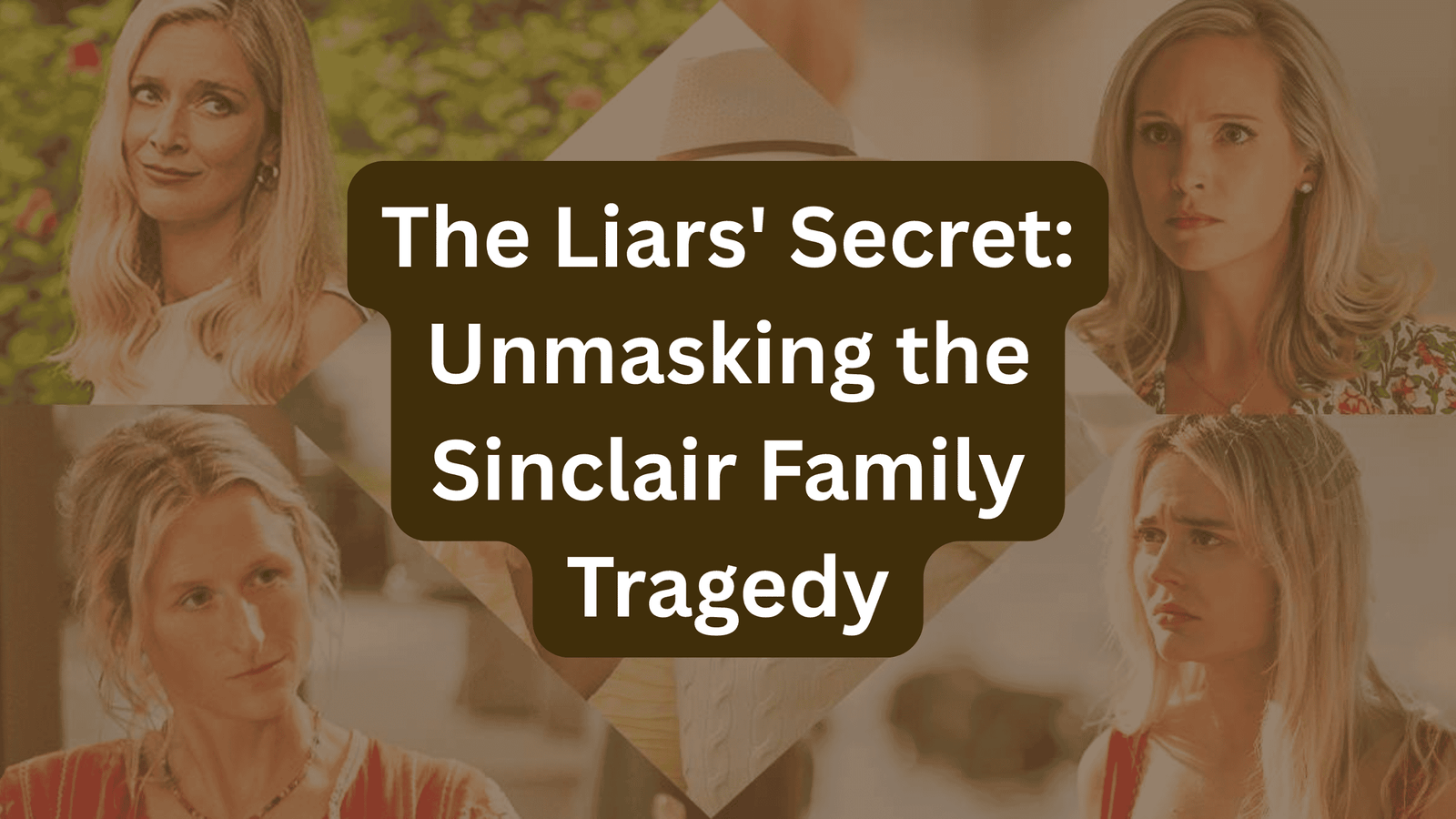
The foundation of the Sinclair dysfunction rests solely with Harris Sinclair, the aging patriarch and undisputed ruler of Beechwood. Harris does not simply possess wealth; he wields it as his primary instrument of emotional control and familial manipulation. Following the death of his wife, Tipper, whose moderate influence had previously softened his tyranny, Harris escalated his control tactics. The grand colonial mansion, Clairmont, stands as the ultimate symbol of the Sinclair power and tradition and, crucially, the inheritance itself. Harris strategically withholds the final distribution of his will, using the fate of the summer houses built for his daughters Red Gate, Windemere, and Cuddledown as constant, tangible threats. He pits his three adult daughters Carrie, Penny, and Bess against one another in a desperate, degrading competition for his approval and their financial security. This constant threat ensures their continued, humiliating dependence on him, effectively paralyzing the entire second generation with petty greed and a fear of being disinherited. This patriarchy, therefore, is defined by calculated cruelty, turning family affection into a zero-sum game of material possession.
The Second Generation: The Daughters’ Destructive Competition
Harris’s manipulation effectively turned his three adult daughters Carrie, Penny (Cadence’s mother), and Bess from sisters into rivals. The primary conflict among the second generation was not rooted in genuine emotional grievance, but in a crippling, materialist battle over “the stuff.” These were constant, petty arguments over property, money, and perceived favoritism in the will. Despite their wealth, the sisters remain desperately financially dependent on Harris; their lives, houses, and stability are perpetually at his mercy. This forced dependence creates an emotional environment where familial love is secondary to material gain.
Crucially, the conflict extended beyond mere houses and jewelry. Harris’s judgment seeped into their personal lives, creating deeper tension in their relationships. The patriarch’s quiet racism and class prejudice are most evident in his open disapproval of non-white, non-wealthy partners, such as Ed, Carrie’s long-term boyfriend. Ed, an Indian American man and the father of Gat, represents everything Harris views as an unwelcome complication to the “perfect” Sinclair lineage. This prejudice not only isolates the daughters but also mirrors larger, more insidious societal issues within the family’s private, privileged world. The sisters’ inability to stand up to their father, even when he attacks their partners or their children, demonstrates the complete paralysis of the second generation, who are too terrified of losing their inheritance to fight for their own integrity or their children’s happiness. This poisonous legacy of control and greed is what the third generation will eventually feel compelled to confront.
The Third Generation: The Liars and the Catalyst for Tragedy
The third generation, known collectively as “The Liars” Cadence (Cady), Johnny, Mirren, and Gat Patil shared an intense bond that formed a counter-culture to the Sinclair Identity. Their relationship, especially the romance between Cady and Gat, served as a direct challenge to the family’s insidious rules and Harris’s thinly veiled prejudice. Gat, as Ed’s nephew and the island’s eternal outsider, acts as the moral compass, forcing the Sinclairs, particularly Cady, to confront the hypocrisy and structural privilege that dictates their lives. He articulates the destructive reality that their houses and possessions mean more to the adults than their own children. Witnessing the debilitating greed and emotional paralysis of their mothers, The Liars’ collective decision was to intervene and violently “fix” the family by destroying the physical symbol of the conflict: the Clairmont house, and all the “stuff” inside it that fueled the inheritance battle. This radical act was intended as a desperate, purifying gesture, but it led to the horrifying climax and tragic twist of Summer Fifteen. In their misguided attempt to destroy the physical manifestations of the family’s greed, the Liars accidentally set a blaze that resulted in the deaths of Johnny, Mirren, and Gat, alongside the complete destruction of Clairmont. Cady, the sole survivor, experiences a severe head injury that results in amnesia, effectively burying the unbearable truth and setting the stage for the novel’s unreliable narration and psychological suspense.
Conclusion: The Legacy of Guilt and Unresolved Trauma
The immediate aftermath of the tragedy manifests through Cadence’s amnesia, a profound psychological defense mechanism. Her mind actively suppresses the unbearable guilt of having caused the deaths of her cousins and Gat, creating a narrative void where the traumatic truth should be. This amnesia is the ultimate result of the Sinclair system: a mind so broken by the weight of familial destruction that it must manufacture a reality to survive. When Cady returns to the island, she is “haunted” by the presence of the Liars. These are not true ghosts but intense, grief-stricken hallucinations projections of her unresolved guilt. The dead Liars force Cady to retrace the steps of that fateful summer, compelling her to face the full weight of her mistake and their lost lives, demonstrating that one cannot simply bury the truth of trauma. Ultimately, the Sinclair saga stands as a chilling cautionary tale about the corrosive power of greed and conditional love. The core tragedy is not the fire itself, but the toxic environment that created it. The family’s belief that money and status can mask deep, destructive dysfunction proves catastrophic. By the end, the beautiful facade of Beechwood Island is irrevocably shattered, leaving behind a legacy defined not by wealth, but by grief and the devastating, irreparable cost of entitlement.
Continue the Conversation: Explore the We Were Liars Cluster
Did this breakdown of the Sinclair family tree leave you wanting more? Have we convinced you that Harris Sinclair’s greed was the true villain of Beechwood Island? Dive deeper into the secrets of the island and the novel’s shocking conclusion with our related articles:
- Main Pillar Content: Read our full We Were Liars Review: Was the Shocking Twist Worth It? to see if the novel’s devastating payoff justified the build-up.
- Spoiler Deep Dive: Go straight to the spoiler-filled details in We Were Liars Ending: The Devastating Twist Revealed.
- Adaptation Comparison: Compare the book to the screen in We Were Liars Ending Explained: Book Twist vs. TV Show.

6 thoughts on “The Liars’ Secret: Unmasking the Sinclair Family Tragedy”