
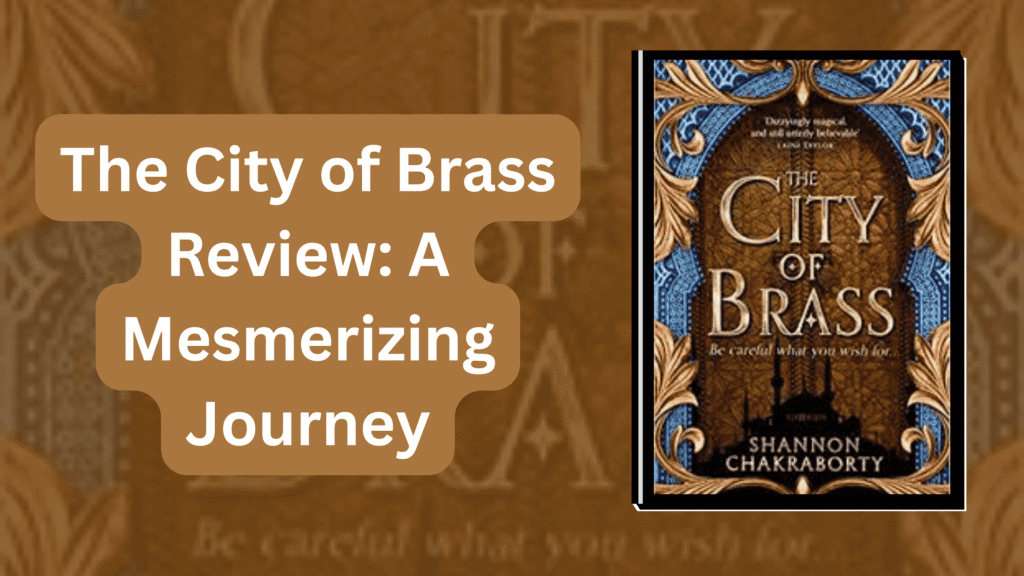
by S. A. Chakraborty
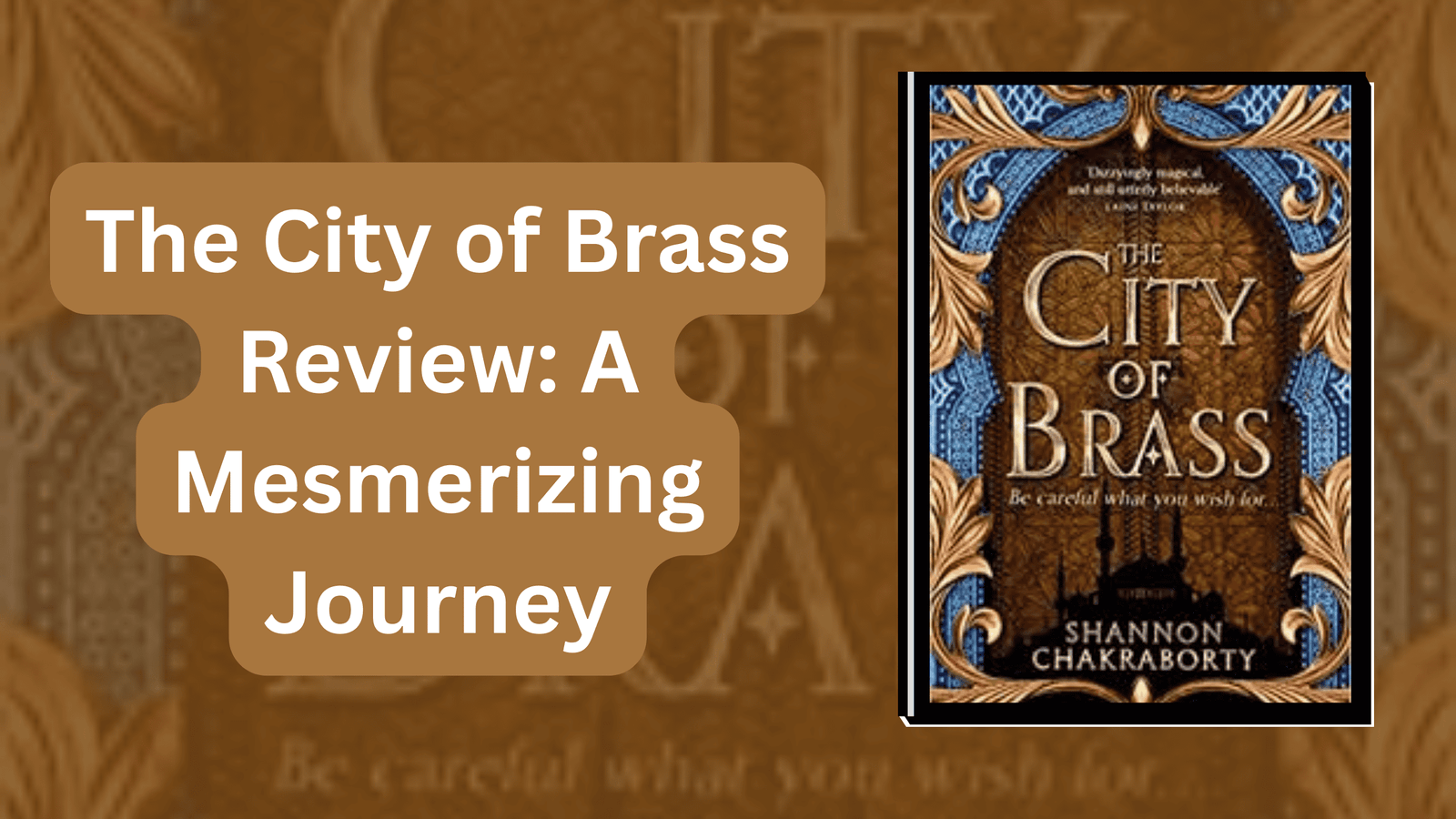
Title: The City of Brass
Author: S. A. Chakraborty
Published: 2017
Publisher: Harper Voyager
Pages: 544
Format: Paperback
Genres: Fiction — Fantasy, Historical Fantasy, Adventure, Middle Eastern Mythology, Magic
Buy Book
About Author
When I first read The City of Brass, I felt the same wonder I once experienced while doing a discovery of witches book review or diving into the hobbit book talk. Chakraborty’s debut novel, released in 2017, instantly became acclaimed across the science fiction and fantasy world. Her storytelling earned her a finalist spot in major awards like the Crawford Award, Compton Crook Award, Locus Award, British Fantasy Award, and World Fantasy Award—and even the Booknest.eu title for best Debut Novel. The sequel, The Kingdom of Copper, came in 2019 with critical acclaim, followed by The Empire of Gold in June 2020, completing the Daevabad trilogy. Later, The River of Silver: Tales From the Daevabad Trilogy appeared in 2022, giving readers a collection of stories that expanded the magical world of Daevabad.
I remember thinking during the night circus review that imagination like this feels rare, but Chakraborty, born in New Jersey to Catholic parents, who later converted to Islam in her teens, writes with a historical and emotional depth that’s almost cinematic. Before becoming a novelist, she dreamed of being a historian of the Middle East, but the 2008 financial crisis changed her path. While working to support her husband and children, she began writing what she called historical fan fiction, which evolved into her first novel. Her next trilogy, a blend of Ocean’s Eleven and Pirates of the Caribbean, sails through the 12th-century Indian Ocean with The Adventures of Amina al-Sirafi, a tale of a retired pirate chasing a treasure, published in February 2023 by Harper Voyager and landing on the New York Times bestseller list. Beyond the page, Complete Fiction is adapting the series for film and television on Netflix since May 2020, proving her storytelling continues to cross oceans—both real and imagined.
Book summary
In eighteenth-century Cairo, a clever con woman named Nahri uses her talent for palm readings, zars, and healing as tricks to outsmart Ottoman nobles and ensure her survival, never truly believing in magic—until she accidentally summons Dara, a mysterious djinn warrior from the sands, fire, and rivers of legend. Together, they travel toward Daevabad, the fabled city of brass surrounded by brass walls, enchantments, and the six gates guarding the six djinn tribes, where ancient resentments and the threat of war have brewed for centuries. Inside this realm, Alizayd, a conflicted prince, dreams of revolution against his father’s regime, setting off a struggle for power, belief, and survival amid dangerous court politics and secret schemes. As I moved through my reading, I admired the immersive world-building and layered characters, even if the story had a slow start—because by the last 15%, the intensity and ending truly captured the essence of this rich fantasy tale, making the review a journey of its own.
Plot
When I first met Nahri on the bustling streets of eighteenth-century Cairo, she struck me as a clever con woman using her talent for palm readings, zars, and healing to survive among Ottoman nobles. Her sleight of hand and quick thinking were her only tools for survival, until she accidentally called upon Dara, a Djinn Warrior from a world of sands, fire, and rivers whispered about in myth and legend.
Their journey led to Daevabad, the fabled city of brass, hidden behind brass walls, enchantments, and the six gates protecting the six djinn tribes. Within this Arab-inspired realm of Middle Eastern Folklore, Chakraborty crafted a fantasy world full of culture, history, and politics that felt both ancient and alive. The world-building here is breathtaking, rich with atmosphere, detailed descriptions, and a lush world of elements—Earth, Wind, Air, and Fire.
Inside Daevabad, the power struggles are fierce. Alizayd, an idealistic prince, dreams of revolution and fights his father’s corrupt regime. His journey crosses paths with Nahri, whose mixed Djinn human blood makes her both revered and rejected by the nobility. Through court politics, schemes, and consequences, their beliefs are tested as tensions between pureblood and shafit spark war that has brewed for centuries.
As I moved through my reading and this review, I noticed the plot’s slow start, yet the depth of world building and the emotional growth of its characters more than made up for it. S.A. Chakraborty layers every chapter with drama, action, and intrigue, weaving a story that feels both historical and spiritual. The themes of truth, losses, and independence reflect a deeply human struggle amid magical abilities and political situations.
I admired how Chakraborty balanced good and evil, showing her diverse cast—people of color from different socioeconomic backgrounds—as morally grey rather than perfect heroes. Ali, torn between duty and conscience, faces prejudices and beliefs that define his journey, while Dara’s mysterious trauma and conflicted attitude reveal how enslavement and History shape identity. Even Muntadhir, the king’s fighter son, struggles to stay devout and conscious in a world where no one is entirely innocent.
The romance between Nahri and Dara unfolds like a storm—full of connection, heartbreak, and impossible decisions. Their bond feels bound by destiny yet threatened by oppression, rebellion, and the fragile balance of power in this political city. I found myself drawn into their story, admiring how Chakraborty allows characters to fail, learn, and rise again through challenges and attacks.
By the last 15%, the pace explodes with intensity—violence, revelations, and authenticity pulling everything together. The ending is both painful and exhilarating, the kind that leaves your heart racing. As someone who loves Must Read Fantasy Books, this one stood out for its complex character development, emotional risks, and beautifully deep world building that rivals Arabian nights tales.
The Daevabad Trilogy continues in The Kingdom of Copper, and after finishing this 2023 book review, I can see why the hype hasn’t faded. The mix of adult fantasy, folklore, and ancient history creates something rare—a story that feels timeless yet alive, carried by authors unafraid to dive deep into culture, politics, and the machinations of tribes, enemies, and hearts alike.
Overall Conclusion
Overall, The City of Brass by S.A. Chakraborty is a breathtaking blend of magic, history, and politics that captures the heart of an Arab-inspired fantasy world like no other. Through Nahri, Dara, and Ali, we experience a story rich in world-building, layered characters, and emotional growth, where every act of power, belief, and survival feels deeply human. Despite its slow start, the novel’s vivid descriptions, intense court politics, and explosive ending deliver a masterful tale of destiny and choice. It stands as both a Must Read Fantasy Book and a triumph of storytelling that bridges Middle Eastern Folklore with timeless themes of love, loyalty, and rebellion.




2 thoughts on “The City of Brass Review: A Mesmerizing Journey”