
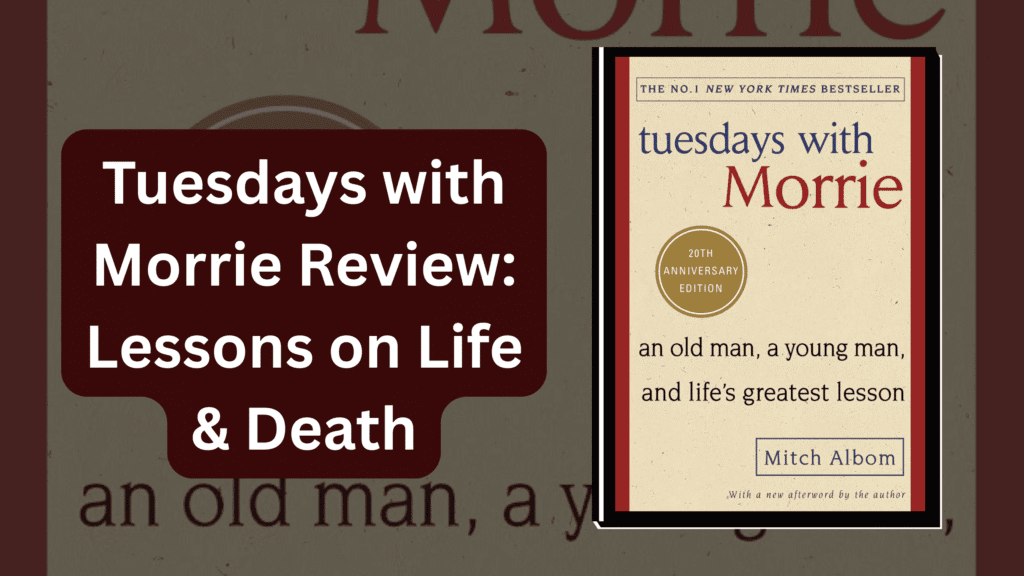
ABOUT Mitch Albom
Born in Passaic, New Jersey and raised partly in Buffalo, New York, Mitch Albom grew up in a family that later settled near Philadelphia, where he graduated from Haddon Township High School in 1976. He went on to earn his bachelor’s degree in sociology in 1979 at Brandeis University, the same place where he first met Morrie Schwartz, whose wisdom would later shape one of the most meaningful books of my reading life. Before Mitch became a writer whose work touched millions, he explored music, often playing the piano at night to pay his tuition while living in New York. His early forays into journalism began at the Queens Tribune, a small but lively newsroom in Flushing, and those days remind me of the kind of humble, hungry working rhythm many young writers know well. Mitch eventually attended the Columbia University Graduate School of Journalism and even the Graduate School of Business, funding part of his studies through a mix of late-night gigs, part-time jobs, and pure determination something I’ve always admired in creators who build their path from the ground up.
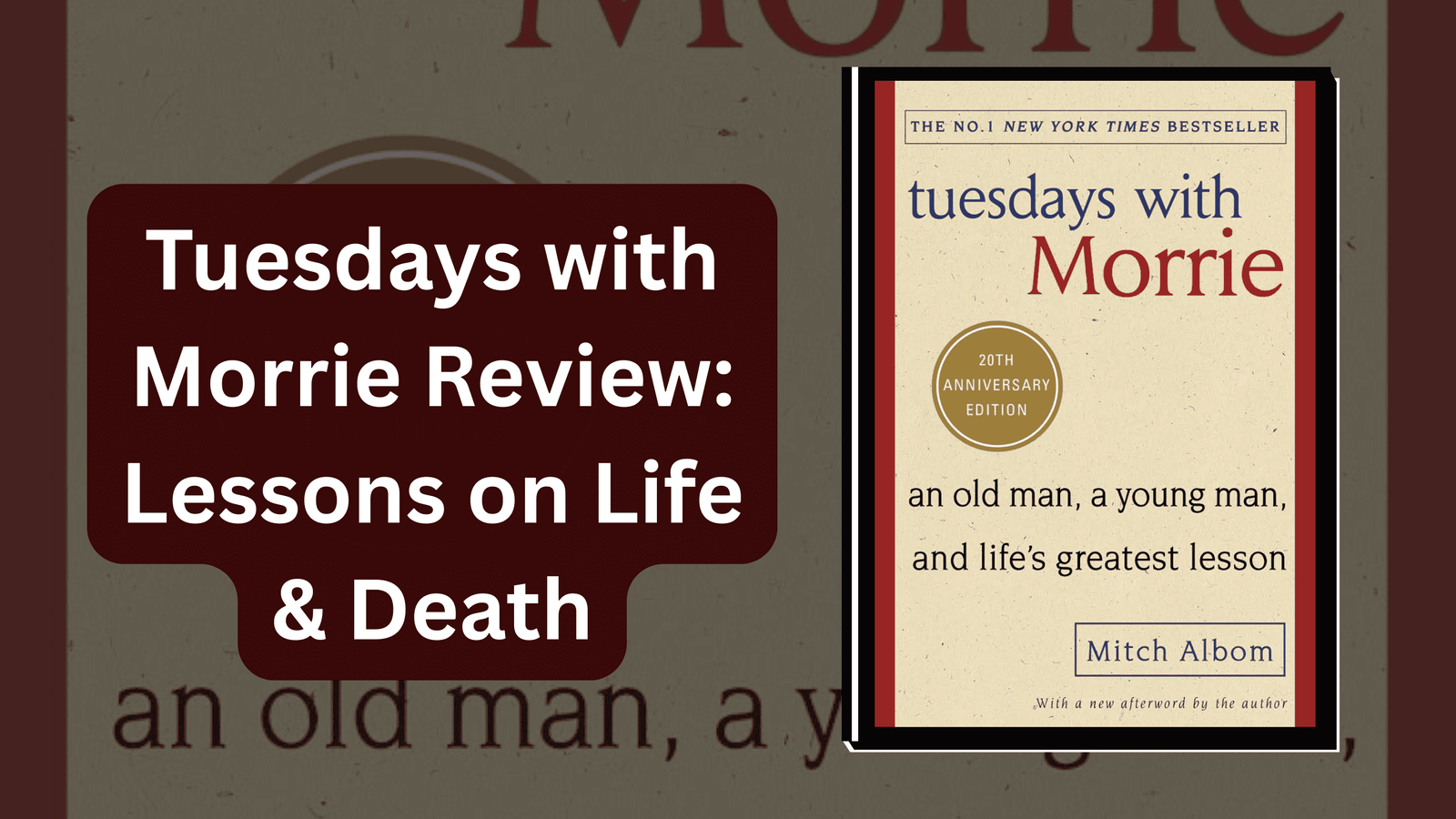
As his career grew, Mitch wrote for SPORT magazine, Sports Illustrated, The Philadelphia Inquirer, and later became a celebrated columnist for the Detroit Free Press, where his column quickly became widely read. His storytelling voice sharp, emotional, and deeply human eventually led him to write bestselling books like Live Albom, Bo, the Fab Five, and, of course, Tuesdays with Morrie, which was published by Doubleday after many rejections. What moves me most is how this story began: Mitch watching Morrie Schwartz’s 1995 Nightline interview with Ted Koppel on ABC, feeling the tug of guilt for not keeping in touch, and finally returning to his old professor’s side every Tuesday as Morrie faced ALS. Those meetings simple, sincere, and full of gentle truths echo in all of Mitch’s later works, from The Five People You Meet in Heaven to Finding Chika. His life, filled with philanthropy, music, and writing, shows a man who never forgot the lessons of love, presence, and purpose he once learned in a quiet suburban home in Boston.
PLOT of tuesdays with morrie
I still remember the first time I read tuesdays with morrie. I was younger, unsure, and searching for Meaning in Life, and the story of Mitch returning to his old class with Morrie hit me harder than any book had before. The “plot,” if you can even call something so real a plot, begins long before their famous Tuesday meetings. It reaches back to spring, 1979, when Mitch was a college student at Brandeis University, sitting in his favorite social psychology course, taught by Morrie Schwartz, a professor he admired with almost endless warmth.
When graduation came, Mitch introduced Morrie to his parents, and the old man gently tells the “special boy” that he should stay in touch. Mitch promises then life happens. For Fifteen years, he drifts into his fast Detroit routine as a successful sports writer for ABC, chasing career goals, money, and possessions, thinking it was what a grown man was expected to chase.
Then comes 1995, when a Nightline segment with Ted Koppel brings Morrie’s face back into Mitch’s living room. Morrie is dying of Lou Gehrig’s disease, and the clip feels like a personal exam Mitch has failed. Hearing Morrie talking with such calm sincerity makes Mitch decide to come back. That moment felt familiar to me; I’ve had my own silent whispers, urging me to return to someone wise before it was too late.
Their meetings begin on a Tuesday, almost like a class held just for two people student and teacher except the subject this time is everything we avoid: Regrets, Death, Family, Emotions, Forgiveness, how to live, how to die, and what it means to stay alive even as your body fails. As Mitch later writes, the “final thesis” he is given isn’t a paper it’s the man himself.
Each visit feels like stepping into a small World of gentle suffering, honest philosophical questions, and strangely peaceful truths. I remember pausing after many pages, just to breathe, because the words were so powerful and so true. Morrie isn’t a man who hides behind theory; he’s confident and open even when admitting failure, and he invites Mitch invited me, too to look straight at the fears we pretend don’t exist.
One of the most intimate parts of the plot is the scene in Morrie’s home, sitting near the stack of old newspapers in the kitchen. Morrie explains he doesn’t bother keeping up with the news much anymore. He asks Mitch why we care so much about what happens in the world, yet forget to notice what is happening inside our own lives. That line struck me deeply; I could almost hear him say it in my own life when I felt too consumed by work.
As the story unfolds, Mitch watches his old friend grow weaker first struggling to walk, then barely able to move his head, and sometimes drifting asleep while still conscious enough to note every moment slipping by. Yet Morrie stays almost unnervingly serene, his breathe soft, almost peaceful, as though he wants to witness life until the very last second.
He speaks of Love’s Power, of choosing love and family over fame, and how Auden’s quote about love being the only rational act is something he believes with his whole being. He talks about people’s hunger for possessions, and how none of it can produce anything meaningful. He argues that the worldview we adopt whether shaped by a psychologist, a historian like Henry Adams, or by life matters only if it teaches us to treat others with respect, care, and love.
Through these conversations, Mitch starts noticing small changes in himself. I felt it too; many scenes made me pause, sometimes even twice, because they stirred something raw. Riding the train one evening after reading, I found myself in a quiet mood, the kind that makes you stare out the window and think about the people you’ve loved, or lost, or should have reached out to sooner.
The topic of Fear, of how humans move, die, live, and try to count the days they have left, is woven through their meetings. Morrie isn’t afraid, he says he’s alive, serenely accepting what comes. His lessons on Doubleday, Forgiveness, and letting go of Regrets build into something I didn’t expect: a plot not driven by events but by honesty.
Morrie also reflects on suffering, both his and the world’s, and asks Mitch why people always talk about wanting to be young again, yet never say, “I wish I were sixty-five.” That line made me smile because it was so simply, painfully true.
Among all the aspects of the story, the part I return to often is when Mitch realizes he hasn’t just learned about death he has learned about how to live. Morrie’s insights help him look up from the chaos, walk through his challenges, and gain a new perspective on meaning.
Every Tuesday feels like a gentle Talk, almost titled after some universal truth: Family, Forgiveness, Love, Death, the strange process of letting go, and the strength it takes to stay open even when suffering. The impact builds slowly, like a soft drumbeat you only understand when the rhythm stops.
When the end finally comes and it does Mitch is no longer the man he was. Reading it, neither was I. Morrie’s influence doesn’t fade with the closing pages; it lingers, reshaping how you know yourself, how you decide what to hold close, how you promise yourself to move through life with more gentleness.
And that, strangely, is the “plot”: not a chain of events, but a chain of awakenings.





4 thoughts on “Tuesdays with Morrie Review: Lessons on Life & Death”