
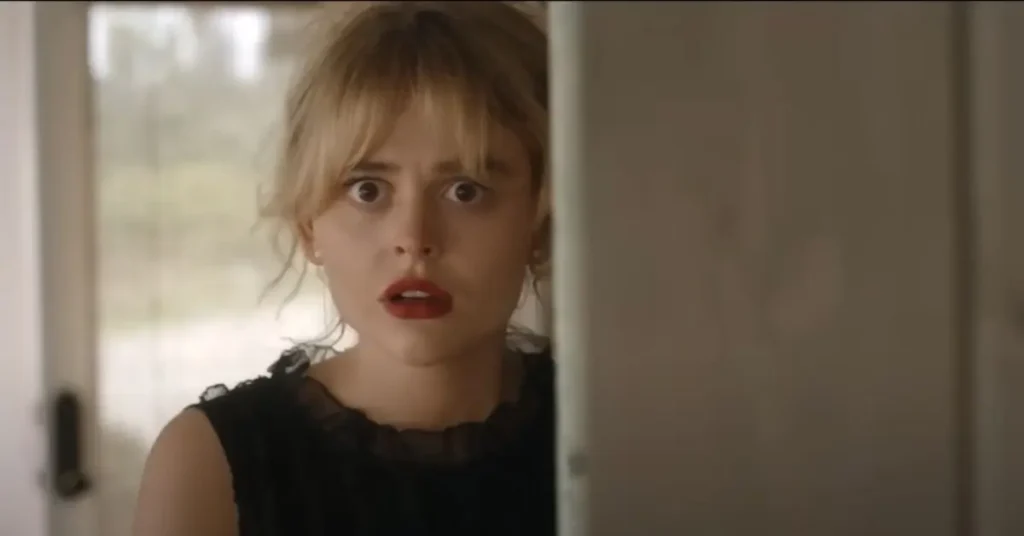
Few YA stories deliver a twist so complete it makes you question everything you just read or watched, but We Were Liars stands in a league of its own. Whether you met the story through E. Lockhart’s novel or the Amazon Prime Video adaptation, the ending hits with the force of a secret you were never meant to uncover. Its blend of memory loss, tragedy, and emotional fallout leaves a lingering ache long after the final page or final episode. This guide breaks down the twist, explores what really happened to the Liars, and explains how the TV show reshapes the story’s darkest moments.
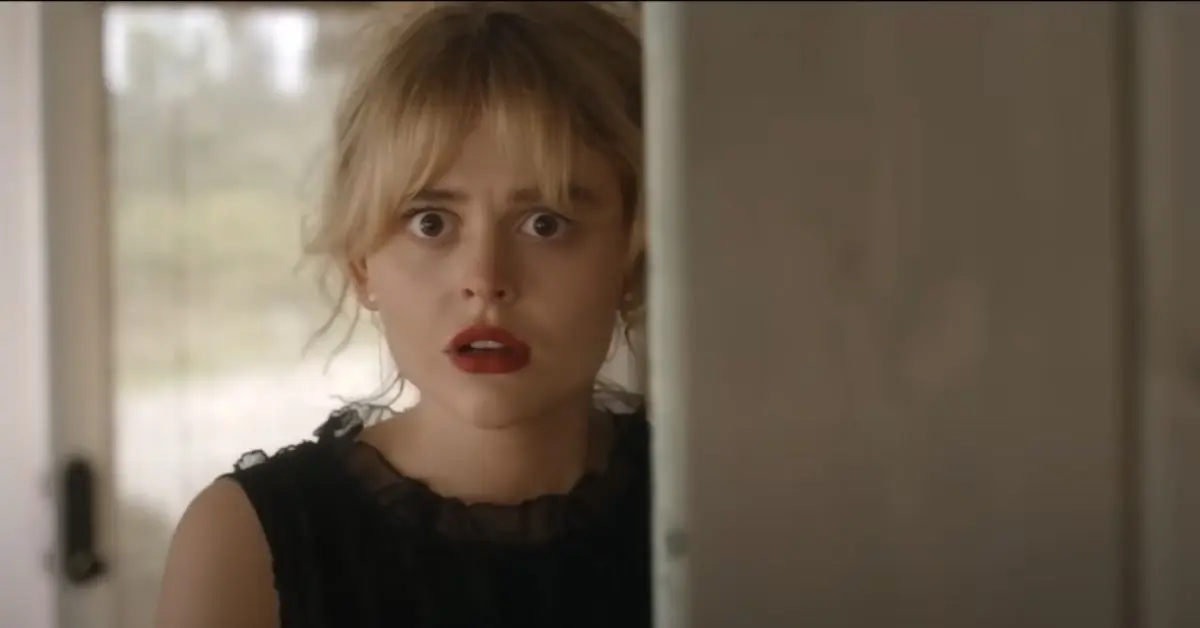
The Core Twist Explained: Who Died and How?
The Victims and the Survivor
The truth of We Were Liars lands like a blow: Gat, Mirren, and Johnny all died in the fire at Clairmont during Summer Fifteen. Their deaths weren’t symbolic, hidden, or metaphorical they were real, sudden, and irreversible. Only Cadence survived, emerging from the blaze with a severe head injury that left her with amnesia, migraines, and emotional fragmentation. This is the foundation of the novel’s devastating twist: the Liars’ pact to destroy the Sinclair family’s toxicity resulted not in liberation, but in the accidental deaths of three teenagers and the psychological collapse of the fourth. Cady’s survival is not framed as victory but as a burden she carries unknowingly for two years, her mind rewiring itself to protect her from the truth she isn’t yet capable of facing.
The Ghost Revelation
The twist becomes even more gut-wrenching when readers realize that the time Cadence spends with the Liars in Summer Seventeen is not real. Gat, Mirren, and Johnny do not return to Beechwood Island. They do not eat with her, swim with her, joke with her, or forgive her. Instead, she is interacting with what the story leaves intentionally ambiguous either ghosts or trauma-induced hallucinations, depending on how a reader interprets the novel’s psychological layers. E. Lockhart designed this ambiguity on purpose; the book dances between realism and the supernatural without fully committing to either. Many readers embrace the “ghosts” explanation because of the clarity of the twist, while others see the Liars’ presence as manifestations of Cady’s suppressed guilt, her mind reconstructing them as she subconsciously works her way back to the truth. In the show, this becomes even more pronounced with Summer 17, where the haunting is visual, deliberate, and emotionally direct. Regardless of interpretation, the effect is the same: the people Cady loves most have been gone all along, and she has been clinging to memories, hopes, and illusions shaped by trauma.
The Timeline of Tragedy
To understand how the tragedy unfolded, the chain of events during the fire must be reconstructed. The Liars’ plan was to burn down Clairmont the Sinclair family’s central estate to stop the ongoing inheritance battles tearing the adults apart. Their plan, in theory, was simple: set small fires in different rooms so the structure would collapse without hurting anyone. But they miscalculated. The gasoline they used soaked too deeply into the house’s surfaces, and the distribution wasn’t even. When the flames reached the basement, they triggered a gas line explosion, killing Gat, Johnny, and Mirren instantly. Cady, who had set her portion of the fire earlier, was outside when the explosion occurred. The blast threw her backward, causing her severe head injury and wiping her memory of the night almost completely. The tragedy is not slow or cinematic it is chaotic, immediate, and brutally accidental. Cady’s fractured recollections, her haunting encounters, and her emotional unraveling all trace back to that single summer night when one reckless act meant to save the family instead destroyed it.
The Motivation: Why the Liars Set the Fire
The root of the Liars’ decision to burn Clairmont lies in the deep, generational dysfunction that defines the Sinclair family. Every summer on Beechwood Island, Cady, Gat, Mirren, and Johnny watched the same destructive cycle repeat itself: the three Sinclair sisters Penny, Carrie, and Bess fought relentlessly for Harris Sinclair’s approval, his property, and ultimately his money. Their arguments were not quiet or contained; they spilled into every gathering, poisoned every holiday, and created an atmosphere where affection felt conditional and alliances shifted depending on who had secured Harris’s favor that week. The inheritance battles grew so obsessive that the adults treated their children like bargaining chips, and the Liars old enough to understand but too young to intervene absorbed the bitterness like a constant background hum. Over time, their anger morphed into something sharper: a need to break the toxic pattern that the adults seemed incapable of stopping themselves.
To the Liars, Clairmont became more than just the largest house on the island it was the beating heart of the family’s dysfunction. Its walls had held years of arguments, manipulations, and desperate attempts to win Harris’s attention. It represented greed, legacy, and image, the three pillars the Sinclair parents prioritized above empathy or genuine love. Destroying Clairmont felt like the only way to strike at the root of the problem. Burning it down was meant as a symbolic act of rebellion, a dramatic message to force the family to confront what they had become. If the house was gone, maybe the poisonous competition would die with it. The Liars saw themselves as revolutionaries rather than vandals, believing they were doing something righteous breaking the cycle so the next generation wouldn’t inherit the same sickness.
But their intent and the tragic reality diverged sharply. Although the plan was reckless and dangerously naive, it was never supposed to be fatal. They planned carefully, believing they could set small fires, regroup, and escape before the flames spread. They thought they were in control. They believed they were safe. None of them anticipated the gasoline-soaked floors, the unexpected paths the fire would take, or the deadly gas line explosion that followed. The Liars intended to destroy a symbol not their own lives but their final act of rebellion carried a cost far beyond anything they imagined.
The Fatal Mistakes: Cady’s Guilt and the Final Moments
One of the most heartbreaking elements of the fire is how deeply it reveals the Liars’ youth and vulnerability. They weren’t villains or masterminds they were kids, and their mistakes carried irreversible consequences. The dogs are the clearest example. In the panic of the burning house, the Liars forgot the family dogs inside Clairmont, and it was only when Cady suddenly remembered them that she ran back toward the flames. That split-second decision, driven by compassion and fear rather than logic, delayed her escape and threw off the timing of the group’s plan. Her hesitation created confusion, and that disruption left Johnny, Mirren, and Gat trapped when the fire began to spread faster than any of them expected.
The black pearl necklace adds a symbolic layer to the tragedy. The pearls belonged to Cady’s grandmother a gift weighed down by Sinclair expectations and in her frantic state, Cady turned back to retrieve them. This moment of instinctive attachment, a final flicker of learned “Sinclair greed,” cost the Liars precious seconds. Gat, seeing her go back, ran in after her, believing he could pull her out before the flames intensified. That single delay pushed the Liars past the point of safety, transforming a misguided symbolic act into a deadly catastrophe.
Book vs. TV Show Ending Differences
Timeline Condensation
One of the most noticeable changes in the Prime Video adaptation is the restructuring of the timeline. In the We Were Liars book, the story unfolds across Summer Fifteen (the fire), Summer Sixteen (Cady’s trip to Europe), and Summer Seventeen (her return to Beechwood and the unraveling of the truth). The show compresses these events into Summers Sixteen and Seventeen, eliminating the Europe summer entirely. This change speeds up Cady’s emotional arc, keeping the tragedy and the recovery period closer together, which creates a more immediate sense of tension and urgency for viewers.
Harris Sinclair’s Knowledge
Another significant shift appears in how the story handles Harris Sinclair’s awareness of the fire. In the book, the aunts and Harris heavily imply through their behavior, whispers, and unspoken tension that they know the Liars were responsible for burning Clairmont. However, this is never stated outright. The ambiguity is part of the novel’s emotional restraint, forcing readers to interpret adults who seem complicit in covering up the truth.
In the show, that subtlety is removed. Harris explicitly confronts Cady and confirms he knows that she and the other Liars committed the arson. This confrontation is delivered with the cold, calculated manipulation that defines Harris’s character, turning the knowledge into leverage. By doing this, the adaptation reframes Harris not just as a flawed patriarch but as someone willing to exploit tragedy for control, intensifying the power dynamics between generations.
The Final Scene with Carrie
One of the show’s boldest departures comes in its final moments. In the book, only Cady sees and interacts with the “ghosts” of Gat, Johnny, and Mirren or, depending on the interpretation, experiences trauma-driven hallucinations. The Prime Video series alters this premise by adding a final scene in which Carrie, Cady’s mother, is shown interacting with the ghost of her son Johnny. This moment implies that Cady is not the only one seeing the dead, shifting the story from psychological ambiguity into something more overtly supernatural.
This added twist broadens the emotional and thematic scope of the ending. It suggests a shared haunting within the Sinclair family, reinforcing the generational repercussions of their choices and highlighting that the tragedy reverberates far beyond Cady’s memory and guilt. By giving Carrie her own moment of sorrow and connection with Johnny, the show deepens the grief and adds a final chilling layer the book never explicitly explores.
Conclusion: The Real Meaning of the Story
In the final moments of We Were Liars, Cady’s choice to reject the Sinclair legacy symbolized by her decision to leave the island by boat and toss the black pearls into the water marks the first time she steps outside the family’s shallow values. She refuses the cold materialism that fueled the tragedy, choosing instead a path built on honesty, humility, and compassion. The line “Be a little kinder than you have to” becomes the distilled wisdom of everything she has lost: a reminder that small acts of softness could have rewritten the Sinclair family’s fate.
The message is ultimately a moral antidote to generational pride. It asks readers to break cycles of cruelty before they calcify into identity. If you want to explore more themes tied to the story’s emotional depth, you can continue with our guides on We Were Liars Character Analysis and Prime Video Adaptation Breakdown.
Explore our full breakdown in We Were Liars Ending: The Devastating Twist Revealed.
Continue reading with We Were Liars Review: Was the Shocking Twist Worth It?


5 thoughts on “We Were Liars Ending Explained: Book Twist vs. TV Show”