

1. Introduction
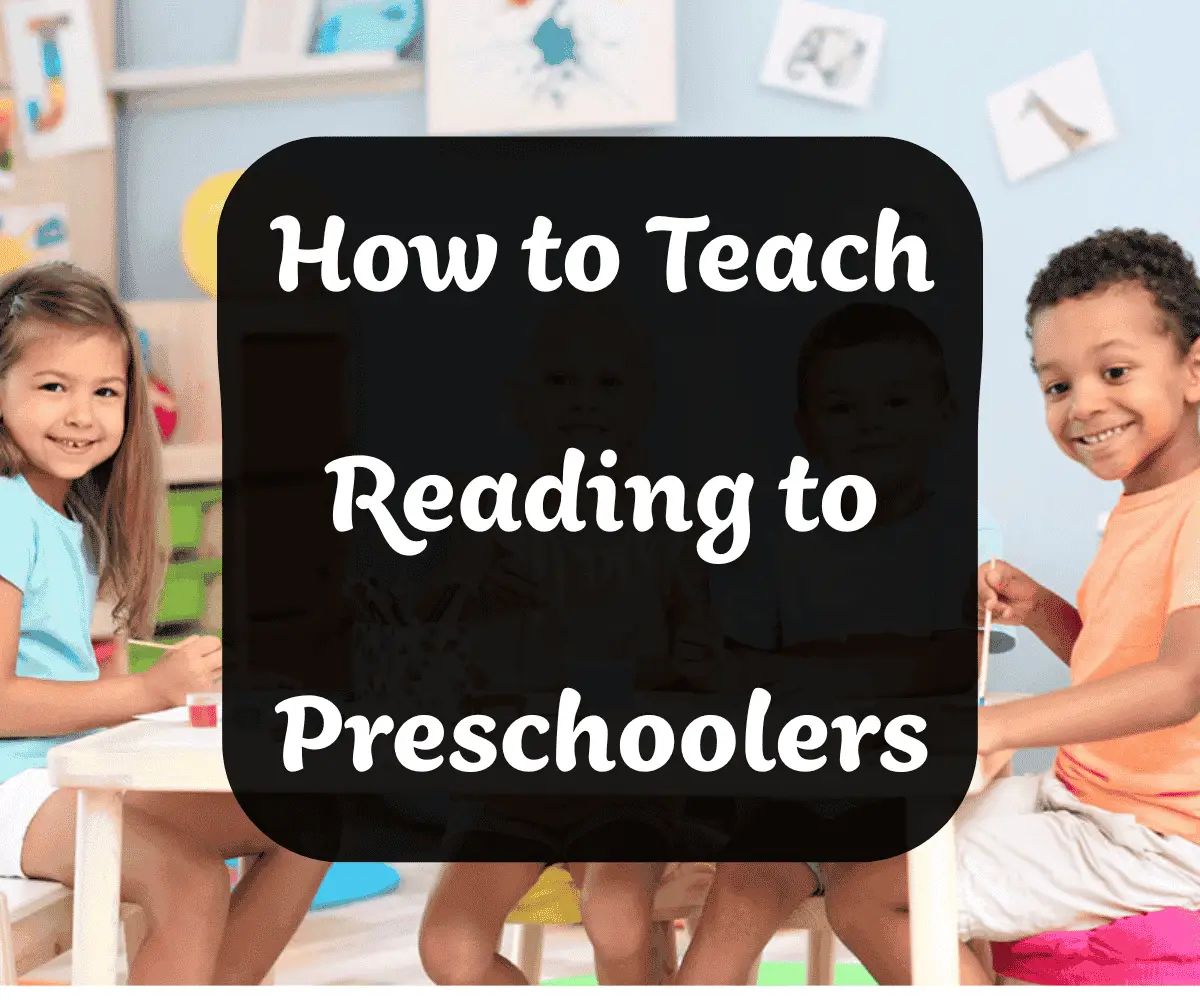
How to Teach Reading to Preschoolers is a journey filled with fun, creativity, and important literacy skills that prepare children for school success.
Teaching preschoolers how to read is one of the most rewarding steps in their early education journey. Reading is more than just recognizing words on a page—it builds confidence, sparks curiosity, and lays the foundation for lifelong learning. When children develop early literacy skills, they gain better communication abilities, prepare for school readiness, and start to enjoy books as companions for life.
This guide is designed for parents, teachers, and caregivers who want to support children during this crucial stage. Whether it’s through playful rhymes, fun ways to teach reading, or structured lessons, every child can develop strong reading readiness skills with the right support.
Throughout this article, readers will explore effective strategies such as phonics for preschoolers, beginner sight words, reading games, and engaging storytime sessions.
Step-by-Step Guide: How to Teach Reading to Preschoolers at Home
One of the best strategies for how to teach reading to preschoolers is through phonics and rhyming games
2. Understanding Preschool Reading Readiness
Before diving into structured lessons, it’s essential to understand what reading readiness skills look like. At the preschool stage, reading readiness doesn’t mean fluently decoding words but rather building the foundation for literacy.
Some common signs of readiness include:
- Showing interest in books and storytime.
- Recognizing shapes of letters through alphabet recognition.
- Asking questions about words, letters, or stories.
- Demonstrating curiosity about writing or “pretend reading.”
Children with strong early literacy skills often learn better when reading activities are fun rather than forced. It’s important not to rush. Learning at this stage should always feel like play.
Parents often wonder how to teach reading to preschoolers without making it stressful.
A common question from caregivers is how to teach reading to preschoolers effectively without causing frustration, and the answer always lies in playful, consistent engagement.
3. Step 1: Building Alphabet Awareness
The first step to teaching preschoolers how to read is introducing the alphabet. Children should become familiar with both uppercase and lowercase letters, along with the sounds they represent.
Some effective strategies include:
- Singing the ABC song daily.
- Playing with alphabet blocks or magnetic letters.
- Using colorful charts for alphabet recognition.
- Engaging in activities that pair letters with sounds, which develops phonics for preschoolers.
When letter recognition becomes part of daily play, children quickly connect symbols with sounds and words.
4. Step 2: Developing Phonemic Awareness
Letter sounds and phonemic awareness are critical for building strong reading foundations. Phonemic awareness is a child’s ability to hear, identify, and manipulate sounds in spoken words.
Practical rhyming words activities can include:
- Reading nursery rhymes together.
- Playing games where children clap syllables in words.
- Matching pictures that share the same beginning sound.
Developing this skill ensures that children can later blend sounds into words, an essential step in decoding.
5. Step 3: Introducing Phonics for Preschoolers
Once children grasp sounds, it’s time to explore phonics for preschoolers. Phonics introduces the concept of blending letters into words, which helps kids read and write independently.
Simple ways to do this include:
- Teaching families of words like “cat, bat, hat.”
- Using picture cards to associate words with images.
- Practicing with simple CVC (consonant-vowel-consonant) words.
Parents and teachers can introduce short, playful sessions as steps to learn reading at home. Through patience and repetition, phonics becomes one of the most effective teaching strategies for preschoolers.
Teachers use interactive lessons when explaining how to teach reading to preschoolers in classrooms.
6. Step 4: Sight Words for Preschoolers
Not every word follows phonics rules. That’s where beginner sight words come in. Common words like “a,” “the,” “you,” and “I” should be recognized instantly without decoding.
Ways to teach sight words include:
- Flashcards with large, clear print.
- Games like bingo or memory matching with words.
- Incorporating literacy activities for kids that highlight these words in stories.
Consistent exposure to sight words for kids makes reading smoother and boosts confidence.
7. Step 5: Reading Through Play and Games
Preschoolers learn best when learning feels like play. Reading games for preschoolers make learning fun while strengthening their skills.
Examples of interactive activities:
- Word scavenger hunts around the classroom or home.
- Memory games with letters and words.
- Digital apps offering interactive reading lessons.
Balancing play with structured activities ensures children stay motivated. Using fun ways to teach reading also makes the process enjoyable for both children and adults.
8. Step 6: Storytime and Picture Books
Daily storytime for kids is one of the most powerful ways to build reading habits. Listening to stories develops imagination, vocabulary, and comprehension.
Choosing the right books matters. Picture books for preschoolers with colorful illustrations help children connect words with images. While reading, adults should pause to ask questions like:
- “Who is in the story?”
- “What do you think will happen next?”
These strategies strengthen reading comprehension for beginners, ensuring children don’t just read words but understand meaning.
9. Step 7: Encouraging Vocabulary and Comprehension
Reading is more than decoding—it’s about understanding. That’s why vocabulary building for preschoolers is crucial. Parents and teachers can encourage this through:
- Everyday conversations at mealtimes or walks.
- Describing objects, colors, and feelings in detail.
- Encouraging storytelling and asking open-ended questions.
Strong comprehension develops when children practice literacy activities for kids that involve discussing, retelling, and summarizing stories. Using simple comprehension strategies like asking “who, what, why” questions helps even more.
10. Parent Tips for Teaching Reading at Home
Parents play a vital role in supporting literacy. Some parent tips for teaching reading include:
- Creating a cozy reading nook filled with books.
- Establishing a daily routine with steps to learn reading at home.
- Praising effort rather than perfection.
When parents provide consistent reading support at home, children feel more motivated and confident. Encouragement without pressure is the key to success.
11. Common Challenges and How to Overcome Them
Teaching preschoolers isn’t always smooth. Some common struggles include:
- Short attention spans: Break lessons into 5–10 minute fun sessions.
- Frustration: Use games and positive reinforcement.
- Struggling readers: Adapt teaching strategies for preschoolers to their learning style.
- Learning differences like dyslexia: Seek professional guidance and personalized reading support at home.
The most important thing is to keep the environment positive and encouraging.
12. Tools and Resources for Preschool Reading
There are countless tools that make reading engaging. Options include:
- Digital reading programs and apps for preschoolers.
- Flashcards and printable worksheets.
- Libraries and community-based literacy centers.
Teachers can incorporate interactive reading lessons, while parents can explore free literacy activities for kids online. Whether using books, games, or apps, resources should be tailored to the child’s interests.
13. Conclusion
Every preschooler can learn to read at their own pace with patience and the right strategies. From alphabet recognition to phonics for preschoolers, and from reading games for preschoolers to engaging storytime for kids, every step builds toward literacy success.
Parents, teachers, and caregivers should remember that reading is not a race—it’s a journey. With consistency, creativity, and encouragement, children will not only learn how to read but also discover how to make reading fun for kids.
With patience and consistency, anyone can master how to teach reading to preschoolers in fun and effective ways.
Every preschooler can learn to read at their own pace with the right strategies and patience. Through activities like alphabet recognition, phonics, reading games, and engaging storytime, children build toward literacy success. Reading should be viewed as a journey, not a race, where consistency and creativity help foster a love for books. Interactive reading activities and diverse materials cater to individual interests and enhance comprehension. Ultimately, the goal is to teach children not just to read, but to develop a passion for exploring new worlds through literature.

How can I get a PDF
Pdf Of What?